

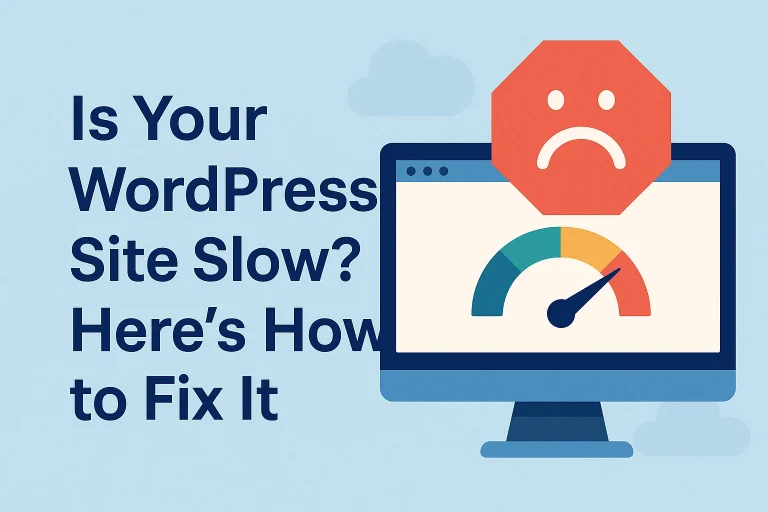


A slow WordPress site is more than just an inconvenience; it is definitely a packaging bottleneck for both user satisfaction and overall productivity in your team. Sluggish speed will test the patience of the visitor; it will increase the bounce rate, decrease the conversion rate, and bring down search engine rankings considerably. Indeed, studies show that users abandon a page if it takes more than three seconds, making a second delay costly in terms of income and engagement. Before rushing for more plugins or design tweaks, it is important to stand back and really analyze the actual performance of your website. Speed and stability optimization of your WordPress should be the first thing on your list: it sets the foundation for proper usability, higher SEO return, and a much nicer experience. This is precisely what we will be dissecting in detail in our guide, “Is Your WordPress Site Slow? Here’s How to Fix It”. Within it, practical, proven steps will guide you through testing your site’s speed, spotting the common performance bottlenecks, and applying the fix, whether it is caching and image optimization, or upgrading hosting and cleaning up the database. And once you have a site that runs as smoothly as butter, go read our next paper: “The Best WordPress Project Management Plugins: Our In-Depth Review”, to help you boost productivity. Learn to collaborate seamlessly, track progress, and manage your projects within the WordPress dashboard. Your website deserves to work at its best. Let's make that happen! Why Speed Matters More Than Ever The speed of your website directly impacts its interaction with users-and, more importantly, how Google ranks it. According to Google, site speed is a ranking signal in its search algorithm. So, a slow site does not just drive away users; it can also hamper visibility in search results. A conversion drop of about 7% is expected in just one second delay. Thus, speed optimization is beyond an option; it has become an obligation for business growth. Understand the Three Main Core Web Vitals When optimizing speed for sites, Google weighs three main Core Web Vitals that ultimately define user experience. a)Largest Contentful Paint (LCP) This metric...