
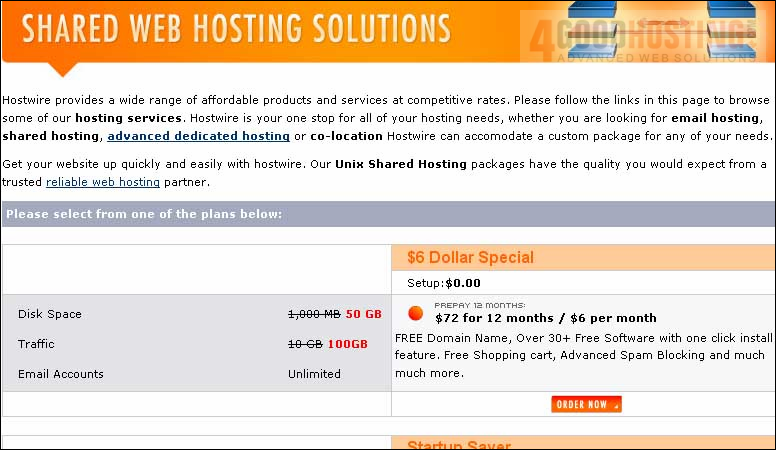
Shared hosting is probably what you're most interested in, especially if you're just starting out in web hosting. With shared hosting, you'll be on a server with potentially hundreds of other accounts. This is the cheapest form of hosting, for the hosting provider and for you.
Â
If your account frequently uses up a lot of server resources, your hosting provider will probably ask you to upgrade to something more suited to your website's needs.
Â
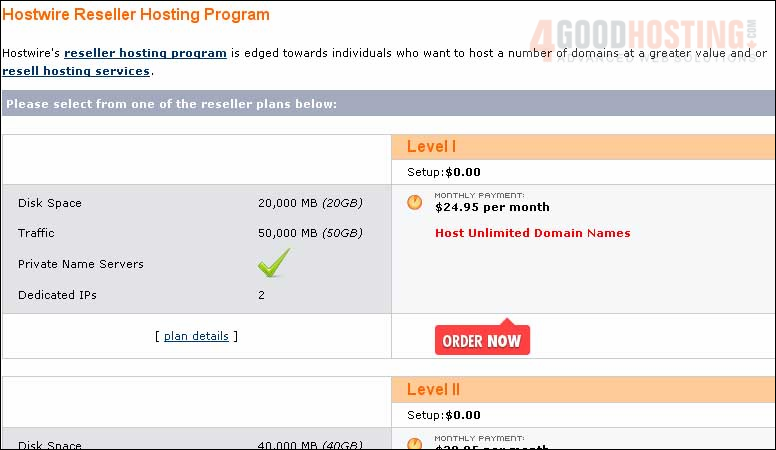
One option is another type of "shared" hosting called Reseller hosting. This basically allows you to sell shared hosting accounts to other people. Sometimes a reseller server will be less crowded and better suited to websites with high resource usage.
Â
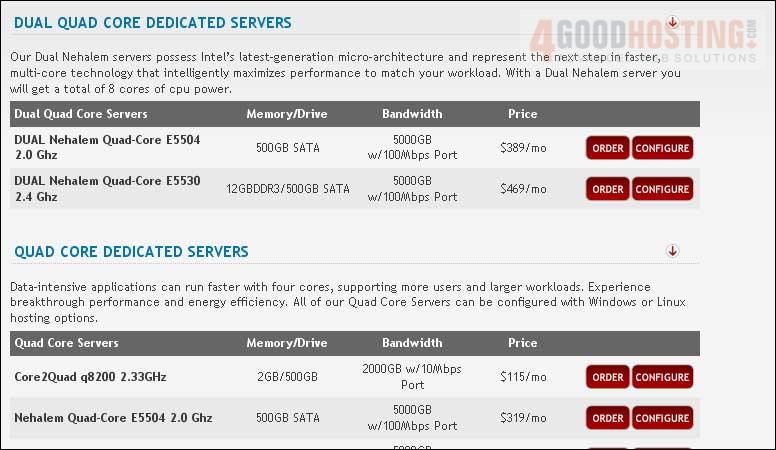
Another option is a dedicated server. This is the most expensive form of web hosting, and will cost you at the very least $40 a month, but probably closer to $100. Since you probably won't know how to manage the server yourself, it would probably cost closer to $200 per month total for an entry level managed server.
Â
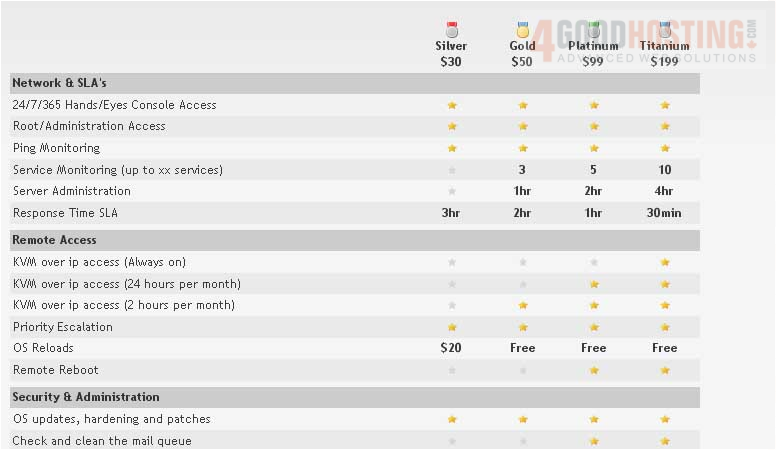
A Managed dedicated server leaves the hardest parts of operating a server to experienced technicians, letting you focus on the website side of things.
Â
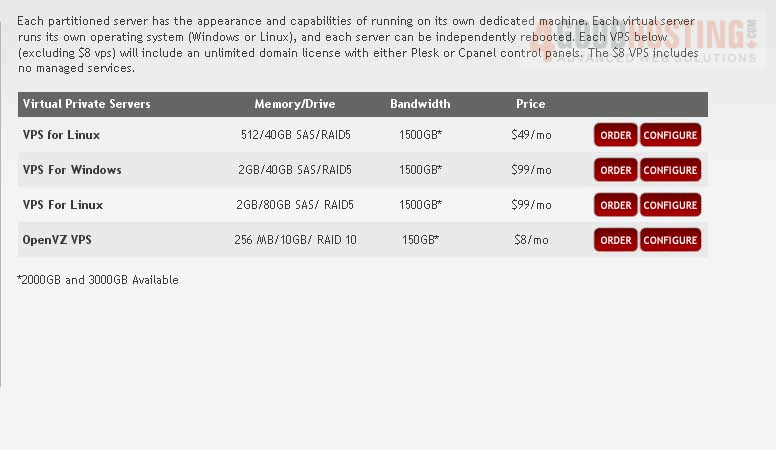
On a slightly smaller scale is the Virtual Dedicated Server, also known as Virtual Private Server, and commonly shortened to VDS and VPS, respectively.
Â
What hosting companies do is divide a very powerful dedicated server up into separate "virtual" servers using virtualization software. Each virtual server gets its own operating system, and acts almost exactly like a real dedicated server.
Â
Depending on the hosting provider and the plan you choose, VDSes may not be anywhere near as powerful as a real dedicated server.
Â
It takes just as much work to manage a VDS as it does an actual dedicated server, though, so really the only benefit is decreased cost. A VDS can typically be purchased anywhere from $10 a month up to the price of a small dedicated server.
Â
So, you've heard about four of the most common types of web hosting. There are a few others, including cloud hosting, clustered hosting, and grid hosting, but we won't go into those here.

 WGS AI Assistant